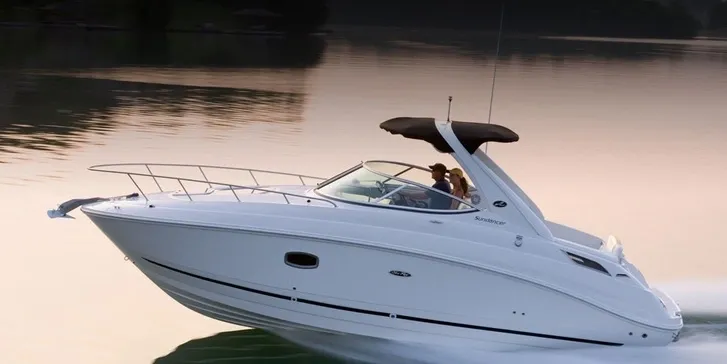
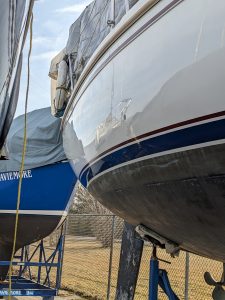
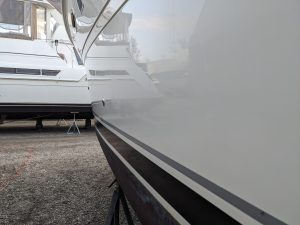
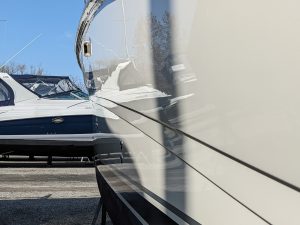
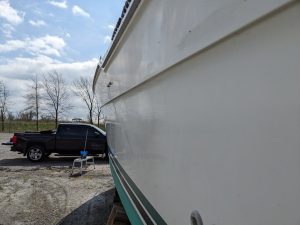
Our Process
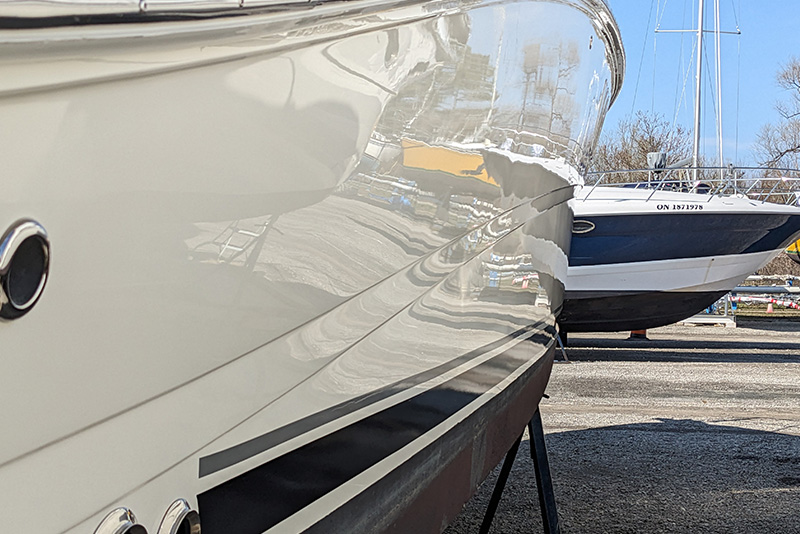
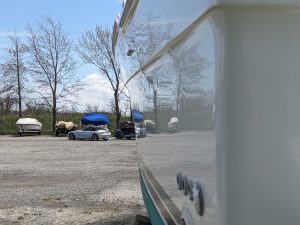
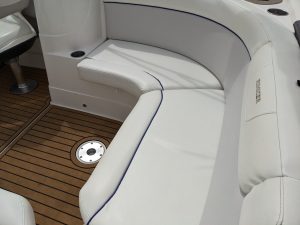
Restoring the SHINE of your boat
Step 1: Initial Wash
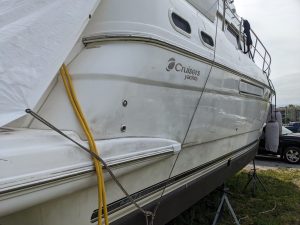
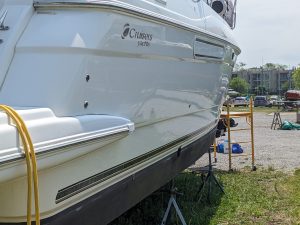
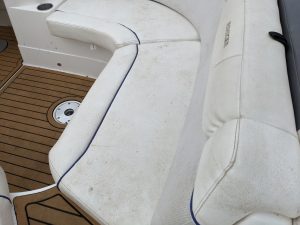
A decontamination wash is essential to start correcting the gelcoat by scrubbing/washing the boat to remove old waxes and dirt to prepare the surface for restoration.
Step 2: Oxidation Removal
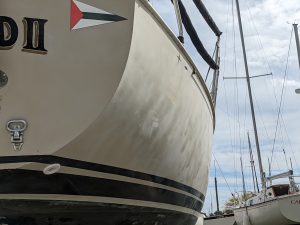
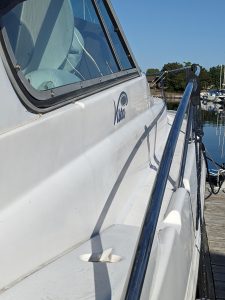
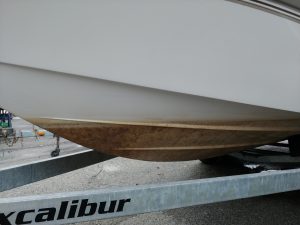
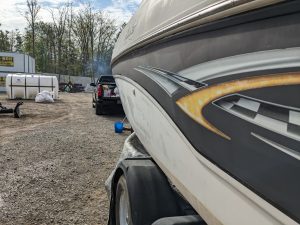
If the boat has heavy oxidation, it will be wet sanded as needed, particularly if it leaves a chalky residue at first touch. This will be followed by compounding to reveal the glossy gelcoat underneath.
Step 3: Polishing
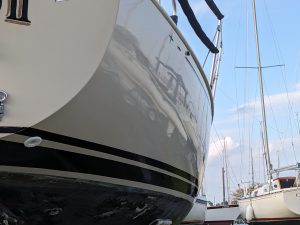
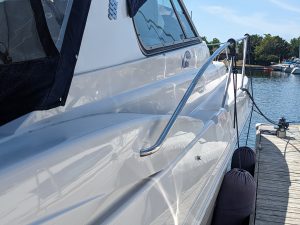
Polishing will eliminate any scratches or swirls left from compounding and provide a protective layer.
Step 4: Protection
Once compounded and polished, GTHN will apply a coat of wax, polymer sealant or ceramic coating to protect the finish.
Step 5: Maintenance
Routine maintenance is essential for preserving the gelcoat. Regularly washing the boat and reapplying protective sealants will help keep it looking its best.
Name Registration Number Removal Install Near Me Kitchener
Removing and reinstalling your boat's name and registration numbers is a detail-oriented process that protects your vessel's gel coat finish while maintaining compliance with Ontario marine regulations. Whether you're updating your boat's identity, refinishing the hull, or preparing for a ceramic coating application, GTHN Boat Polishing provides professional name and registration number removal and install services across Kitchener and throughout the Greater Toronto Area.
This guide walks you through the proper methodology for this work, explains why precision matters, and shows you what to expect when working with a professional marine detailing service in Kitchener.
Step 1: Assess the Current Decal Condition and Hull Surface
Before any removal work begins, inspect your boat's existing name and registration decals for adhesion quality, material type, and substrate condition. Most modern marine decals are vinyl-based with UV-resistant adhesive applied directly to gel coat or painted surfaces. Check whether the decals are single-layer vinyl or multi-layer composite materials, and note any areas where the adhesive has failed, lifted, or begun to separate from the hull. Also examine the gel coat around the decals for oxidation, crazing, or existing surface damage that may be hidden beneath the vinyl.
This assessment step is critical because it determines whether removal can be performed safely without damaging the underlying finish. GTHN Boat Polishing technicians in Kitchener evaluate each boat's specific conditions to plan the removal sequence and select the appropriate tools and heat settings. If your gel coat shows significant oxidation or weathering, removal work often becomes the first phase of a broader hull restoration project.
Step 2: Apply Heat and Remove Vinyl Decals Without Hull Damage
Vinyl decal removal requires controlled heat application to soften the adhesive without scorching or warping the gel coat underneath. Using a heat gun set to 250-300 degrees Fahrenheit, GTHN technicians warm the decal gradually, starting at one corner and working systematically across its entire surface. The heated vinyl becomes pliable, allowing the adhesive bond to release cleanly. Once the decal is sufficiently warmed, technicians peel back the vinyl slowly and at a shallow angle, typically 15-30 degrees, to prevent tearing and to minimize the risk of pulling up gel coat fragments.
After the vinyl is removed, residual adhesive remains on the hull. This is addressed using a specialized marine-grade adhesive remover or rubbing compound, applied with soft microfiber pads to dissolve and lift the remaining glue without scratching the gel coat. The technician works in small sections, using gentle circular motions and inspecting frequently to ensure the surface stays protected. This stage is where the difference between amateur and professional removal becomes most visible, because improper technique can leave scarring, residue buildup, or dull patches on your hull.
Step 3: Prepare and Clean the Hull Surface for New Decals
Once all old adhesive is removed, the hull surface must be thoroughly cleaned and dried to accept new decals properly. GTHN Boat Polishing uses a multi-stage cleaning approach: first, a decontamination wash removes salt, mineral deposits, and embedded particles; second, isopropyl alcohol or a marine surface prep solution is applied to the specific area where new decals will be installed, removing any oils or wax residue that could compromise adhesion. The surface is then dried completely using compressed air and lint-free cloths.
This preparation step directly affects how long your new name and registration numbers will remain properly adhered. Because Kitchener boat owners frequently store vessels indoors during off-season months and then launch them into fresh water environments, the hull surface can accumulate wax buildup or UV-degraded residue. A thorough prep ensures your new decals bond securely and remain visible and legible for years. If your gel coat has oxidation or dull spots exposed by the removal process, GTHN may recommend light polishing or ceramic coating at this stage to restore clarity and add long-term protection.
Step 4: Apply New Name and Registration Number Decals with Precision
Professional decal installation begins with accurate positioning. Using measuring tools, masking tape, and reference points on your hull, GTHN technicians mark the exact placement for your new name and registration numbers to ensure they are level, centered, and compliant with Ontario boating regulations. Once positioning is confirmed, the decal backing is slowly peeled away while the vinyl is carefully applied to the hull using a squeegee or application tool that removes air bubbles and ensures uniform contact between the adhesive and gel coat.
Proper decal application takes time and attention to detail. Rushing this stage creates air bubbles, wrinkles, and premature edge lifting that will compromise the appearance and durability of your boat's identity markings.
The process typically takes 30-60 minutes per set of name and registration decals, depending on size and complexity. GTHN allows proper curing time before the boat is moved or exposed to water, usually 24 hours, to allow adhesive to reach full strength. Vinyl marine decals installed with professional methodology remain adhered and legible for 5-7 years in typical freshwater use, and often longer in protected storage environments. If your boat undergoes ceramic coating application or other hull work after decal installation, GTHN coordinates timing to ensure your name and registration numbers are protected and properly positioned in the final finish.
Boat owners throughout Kitchener and the surrounding region rely on GTHN Boat Polishing to handle name and registration number work as part of comprehensive hull maintenance. Whether you need vinyl decal replacement before launching for the season, removal prior to a full gel coat restoration, or reinstallation after ceramic coating application, GTHN brings the equipment, expertise, and attention to detail your boat deserves directly to your marina or storage location. Reach out to discuss your boat's specific needs and get a clear picture of what professional name and registration number removal and install work looks like for your vessel.
Frequently Asked Questions
How long does professional name and registration number removal and install take?
Complete removal and reinstallation typically takes 2-4 hours depending on decal size, hull condition, and how much adhesive residue remains. GTHN Boat Polishing schedules work during a single visit whenever possible to minimize inconvenience at your Kitchener marina or dock.
Can name and registration number removal damage my gel coat?
Improper removal techniques can scratch, dull, or even peel gel coat. Professional removal using controlled heat, proper tools, and marine-grade adhesive removers prevents damage. GTHN technicians assess your hull condition first and use methodology that protects your boat's finish.
What is the cost of name and registration number removal and install in Kitchener?
Pricing depends on decal size, current condition, and whether additional hull work like polishing or ceramic coating is part of your service plan. Contact GTHN Boat Polishing directly for a transparent estimate based on your boat's specific requirements.
Should I remove my boat's name and numbers before ceramic coating?
Yes. Removing decals before ceramic coating ensures a smooth, uniform finish and allows the protective coating to cure properly underneath where decals were previously mounted. GTHN coordinates removal, coating application, and reinstallation as part of a cohesive restoration plan.
Customer Testimonials
Kevin D, Caledon
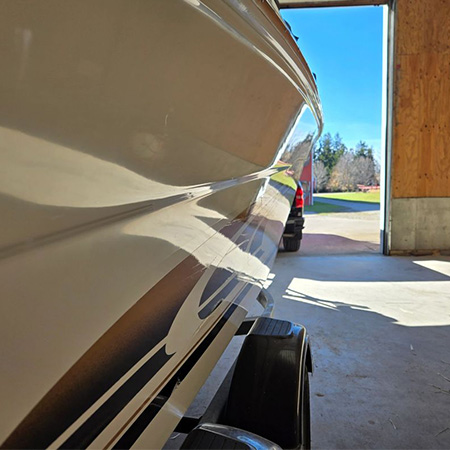
I couldn’t be happier with how the ceramic coating turned out on my boat! I was blown away and the boat looks awesome! The shine is incredible and I know it will last. GTHN did an amazing job! Highly recommended!
Jan P, Hamilton
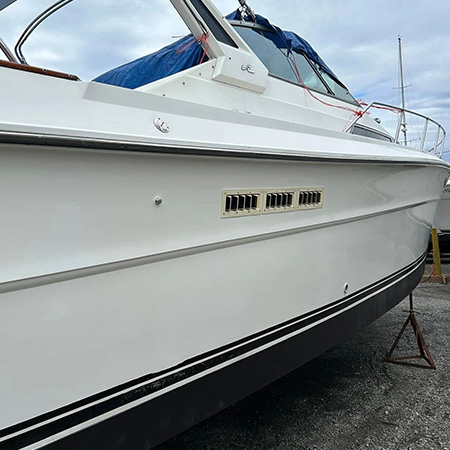
I had GTHN polish my boat. He did a fantastic job! Upfront and honest, and worked very hard. I highly recommend them!
Chris B, Hamilton
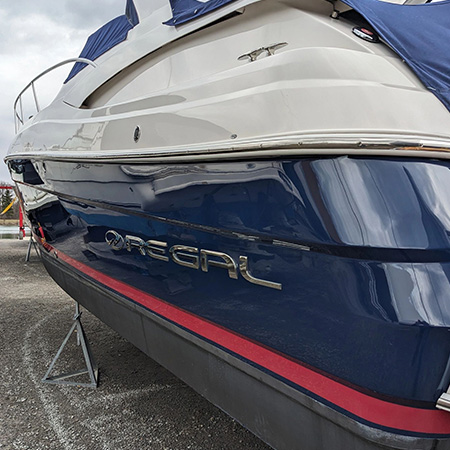
It’s hard to find reliable people in this industry, but Neil was one of them. Price was fair, work was awesome, communication throughout was above and beyond. I will use GTHN again and would highly recommend if you found them, you do the same.
Phong T, Kitchener
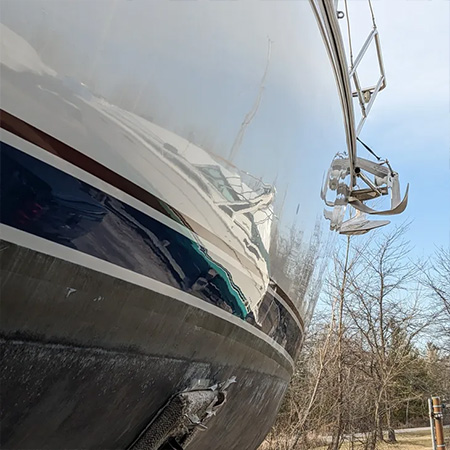
This was the first time I worked with Neil and the experience was great. He came out to do a couple of test spots before we settled into a quote and the rest of the scheduling was just as easy. The end result was fantastic.
Definitely recommended!!! 🙂
Diego M, Toronto
I’m amazed with the work that was done. I highly recommend it 100%
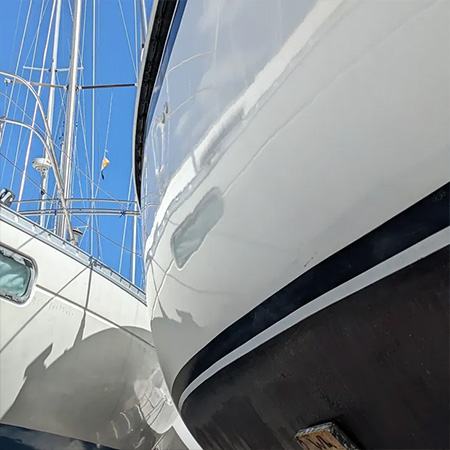
Fast and best ever results. Thanks Neil for your time and effort.
Steve B, Hamilton
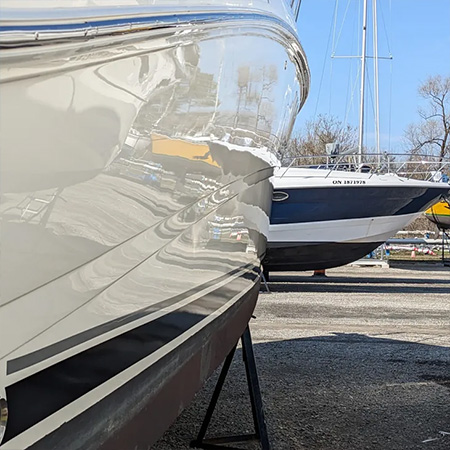
We are beyond happy with the work done on polishing the hull of our boat. Not only is the work amazing, but Neil went out of his way to get our boat ready on time for launching. Small touches like putting painters tape on the line separating the gel coat and bottom paint are appreciated. As is the extra time spent on trouble spots. Highly recommend GTHN Boat Polishing!
We Will Come To You!
Feel free to contact us with any questions regarding your boat! We would love to help!
GTHN Boat Polishing
info@gthnboatpolishing.ca – 289-698-5909
CALL – TEXT – EMAIL