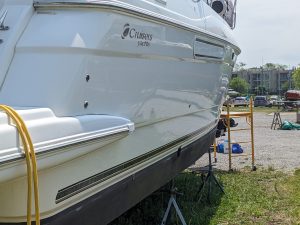
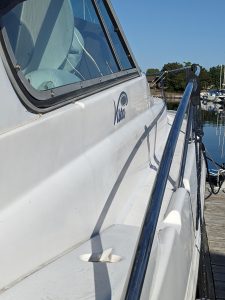
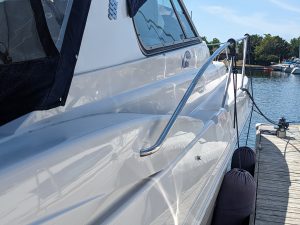
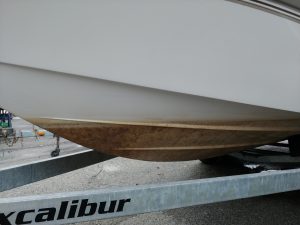
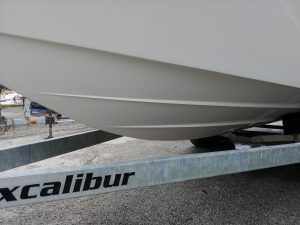
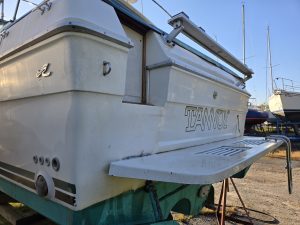
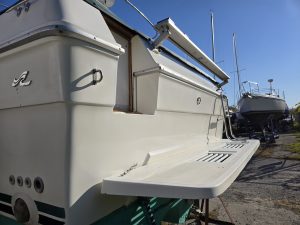
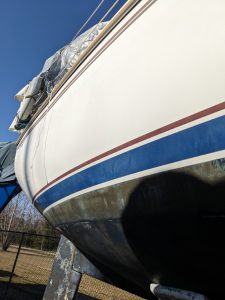
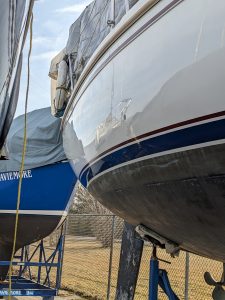
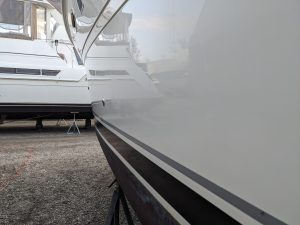
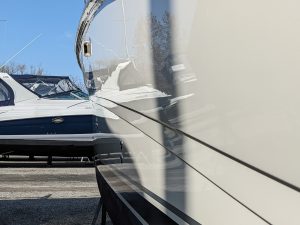
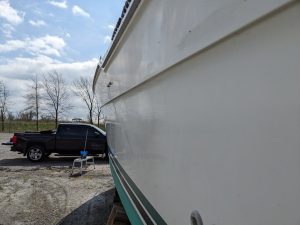
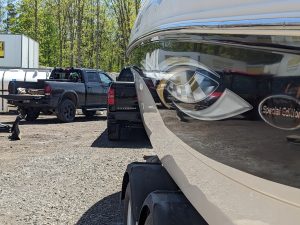
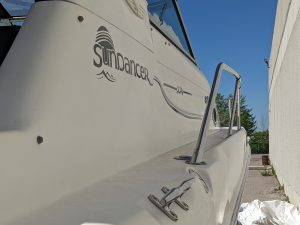
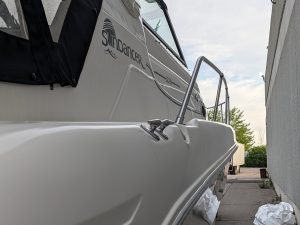
Our Process
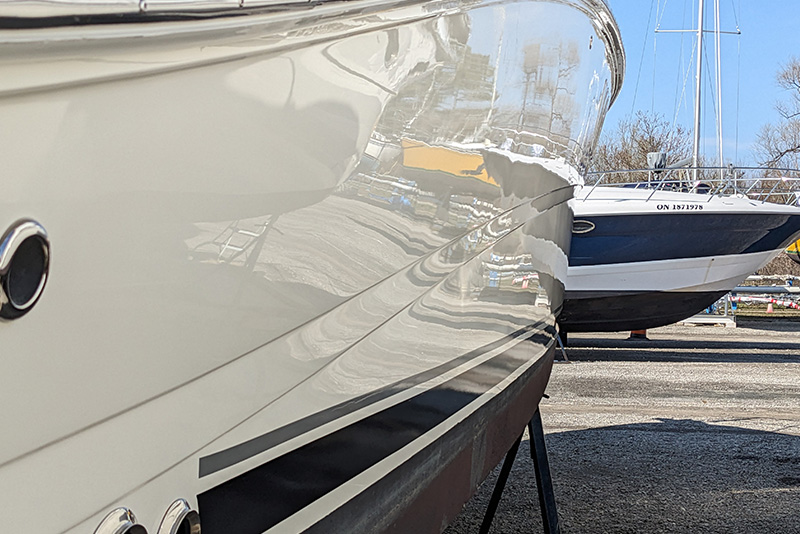
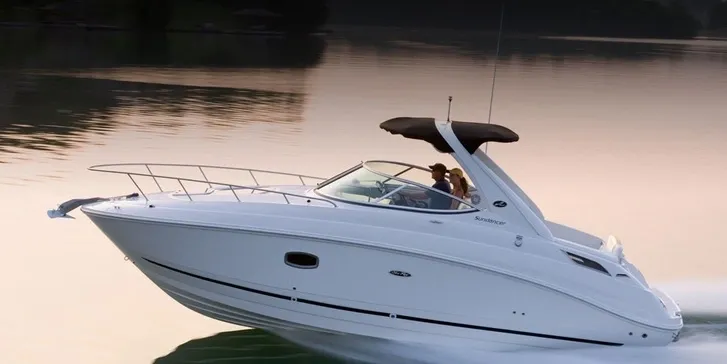
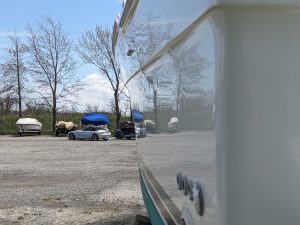
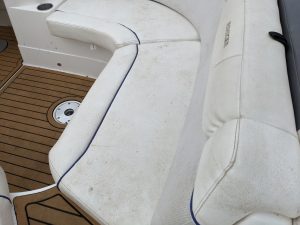
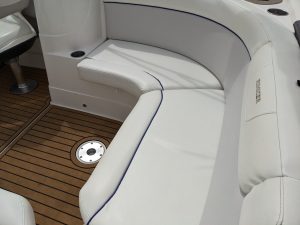
Restoring the SHINE of your boat
Step 1: Initial Wash
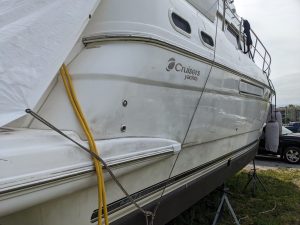
A decontamination wash is essential to start correcting the gelcoat by scrubbing/washing the boat to remove old waxes and dirt to prepare the surface for restoration.
Step 2: Oxidation Removal
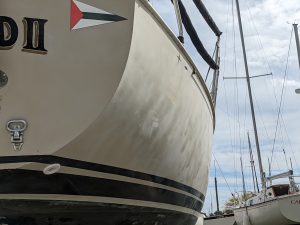
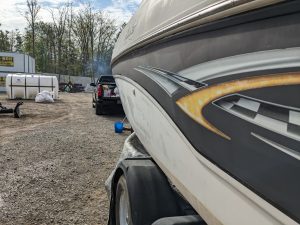
If the boat has heavy oxidation, it will be wet sanded as needed, particularly if it leaves a chalky residue at first touch. This will be followed by compounding to reveal the glossy gelcoat underneath.
Step 3: Polishing
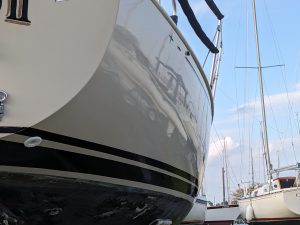
Polishing will eliminate any scratches or swirls left from compounding and provide a protective layer.
Step 4: Protection
Once compounded and polished, GTHN will apply a coat of wax, polymer sealant or ceramic coating to protect the finish.
Step 5: Maintenance
Routine maintenance is essential for preserving the gelcoat. Regularly washing the boat and reapplying protective sealants will help keep it looking its best.
Fort Erie Mobile Wet Sanding
Mobile wet sanding in Fort Erie is a multi-stage correction technique that uses progressively finer abrasives and water to remove oxidation, scratches, and dull finishes from boat gelcoat, restoring clarity and depth of shine without damaging the underlying material. This is the foundation of professional gelcoat restoration, and when performed correctly by experienced technicians like those at GTHN Boat Polishing, it transforms weathered vessels into showroom-quality condition.
Fort Erie boat owners who dock at marinas across the Niagara Peninsula understand the challenge: freshwater and salt spray age gelcoat quickly, leaving surfaces cloudy and lifeless. Rather than accepting that decline, many are choosing to have their boats serviced where they sit. GTHN brings this specialized skill directly to Fort Erie docks and storage facilities, eliminating the need to transport your vessel and keeping you informed throughout the work.
This guide walks you through how professional mobile wet sanding works, what to expect during the process, and why this approach delivers results that DIY attempts cannot match. By the end, you will understand exactly what happens when GTHN arrives at your location to restore your boat's gelcoat.
Step 1: Assessment and Surface Preparation
The first step is a thorough inspection of your gelcoat's current condition. GTHN technicians examine the hull, deck, and topsides under bright light to identify the extent of oxidation, scratches, staining, and any previous repair work. This assessment determines which abrasive grits will be needed and how many correction stages your boat requires. A severely oxidized hull in Fort Erie may need five or six stages; a lightly scratched deck might need three. This is not guesswork-it is a professional diagnosis that prevents over-sanding.
Once the assessment is complete, the surface is rinsed thoroughly with fresh water and cleaned with a marine-grade decontamination wash to remove salt residue, algae, and embedded particles. This step is crucial: dirt and salt trapped under the wet sanding pad will cause additional scratches and defeat the purpose of the correction. GTHN uses a maintenance wash protocol designed specifically for boats, ensuring that every surface is genuinely clean before abrasives touch the gelcoat.
Step 2: Coarse-Grit Wet Sanding (Initial Correction)
Wet sanding begins with coarser abrasive pads, typically in the 400 to 600-grit range, depending on how deeply oxidized or scratched the gelcoat is. Water is applied continuously to the surface and the pad, keeping everything wet and cool. The water serves three purposes: it lubricates the pad so it cuts more evenly, it prevents the gelcoat from overheating (which can cause cracking), and it carries away the fine slurry of abraded gelcoat and residue so you can see the work clearly.
The technician works in overlapping passes, maintaining consistent pressure and speed. This stage removes the outer layer of dull, oxidized gelcoat and any major scratches. You will see the surface transformation immediately-cloudy areas begin to show gloss, and the color deepens. This is not the final shine; it is the foundation for the stages that follow. In Fort Erie's variable waterfront climate, this initial correction often takes two to three hours for a mid-sized recreational boat.
Step 3: Medium and Fine-Grit Progressive Sanding
After the coarse stage, GTHN moves to progressively finer grits-typically 800, 1000, and 1200, though the exact sequence depends on what the gelcoat reveals. Each stage uses the same wet-sanding method but with a finer abrasive pad that removes the microscopic scratches left by the previous grit. Think of it as refining rather than correcting; each pass builds on the last, gradually erasing the tool marks and creating a more uniform finish.
Between each grit change, the entire surface is rinsed and inspected under bright light. This is where expertise matters most. A technician who rushes through the progression will leave visible hazing or uneven correction. GTHN's approach emphasizes patience and consistency. By the time the fine-grit stages are complete, your gelcoat will have a semi-gloss finish-not yet the full mirror shine, but smooth, uniform, and clearly restored. For Fort Erie boat owners, this multi-stage process is what separates professional results from surface-level cleaning.
Wet sanding removes only 1 to 3 thousandths of an inch of gelcoat across all stages. This is why proper technique and the right grit progression are essential-too aggressive, and you damage the boat; too light, and you waste time without achieving real correction.
Step 4: Polishing and Protection
Once wet sanding is complete, the surface is thoroughly rinsed and dried with a soft cloth. The gelcoat is now ready for machine polishing, which removes any remaining hazing and brings out the full depth of shine. GTHN applies premium marine polishes formulated to bond with gelcoat without leaving residue or attracting salt spray. The polishing stage is where your boat's true color emerges and the finish catches light the way it did when new.
After polishing, many Fort Erie boat owners choose to apply a ceramic boat coating. This protective layer bonds to the restored gelcoat and creates a shield against UV rays, salt spray, and oxidation. A quality ceramic coating extends the life of your correction work by years, making it a logical investment immediately after wet sanding. GTHN offers ceramic coating application as the final step, sealing in your restoration and providing ongoing protection without the need for frequent waxing or maintenance washes.
If you own a boat in Fort Erie or the surrounding Niagara and Greater Toronto Area marinas and are ready to restore your gelcoat to professional condition, GTHN Boat Polishing is ready to bring this expertise to your dock. Reach out to discuss your boat's specific needs, schedule a mobile visit, and discover what properly executed wet sanding can achieve for your vessel.
Frequently Asked Questions
How long does Fort Erie mobile wet sanding take?
A complete multi-stage wet sanding typically takes 6 to 10 hours depending on the boat's size, condition, and the extent of correction needed. GTHN schedules this work across your availability, either in one full day or split across multiple visits to your Fort Erie location.
Will wet sanding damage my boat's gelcoat?
No. When performed by trained technicians using proper technique and progressive grit sequences, wet sanding removes only microscopic layers of oxidized or damaged gelcoat while preserving the structural integrity of the hull. GTHN's multi-stage approach ensures safe, controlled material removal.
What is the difference between wet sanding and polishing alone?
Polishing removes surface hazing and brings out shine on already-smooth gelcoat. Wet sanding actually removes scratches, oxidation, and dull layers before polishing, creating a truly restored surface. For severely oxidized boats, polishing alone will not achieve the same transformation.
Should I apply a ceramic coating after wet sanding in Fort Erie?
Yes. Ceramic coating bonds to freshly restored gelcoat and provides long-term protection against UV, salt spray, and oxidation. Most Fort Erie boat owners find that pairing wet sanding with ceramic coating extends the life of their restoration by years and reduces ongoing maintenance.
Customer Testimonials
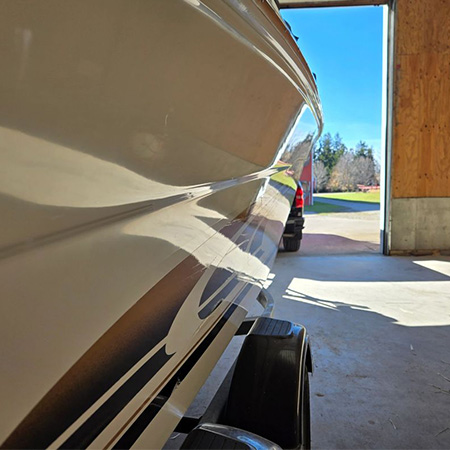
Kevin D, Caledon
I couldn’t be happier with how the ceramic coating turned out on my boat! I was blown away and the boat looks awesome! The shine is incredible and I know it will last. GTHN did an amazing job! Highly recommended!
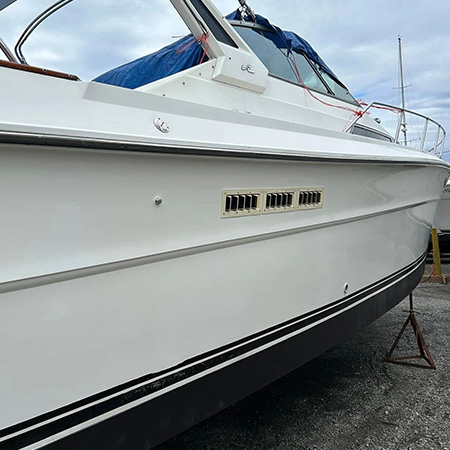
Jan P, Hamilton
I had GTHN polish my boat. He did a fantastic job! Upfront and honest, and worked very hard. I highly recommend them!
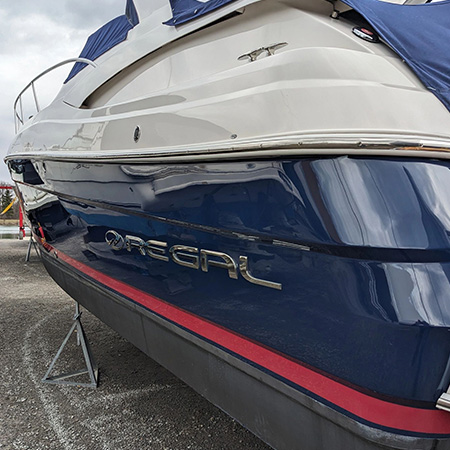
Chris B, Hamilton
It’s hard to find reliable people in this industry, but Neil was one of them. Price was fair, work was awesome, communication throughout was above and beyond. I will use GTHN again and would highly recommend if you found them, you do the same.
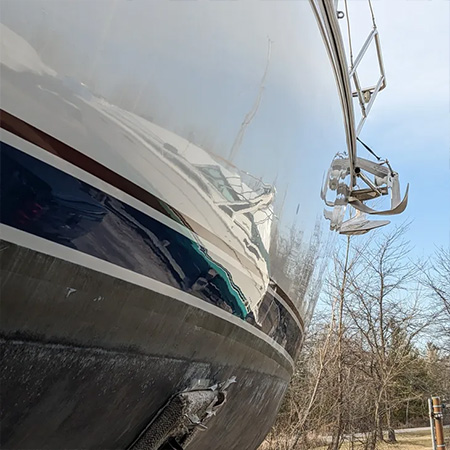
Phong T, Kitchener
This was the first time I worked with Neil and the experience was great. He came out to do a couple of test spots before we settled into a quote and the rest of the scheduling was just as easy. The end result was fantastic.
Definitely recommended!!! 🙂
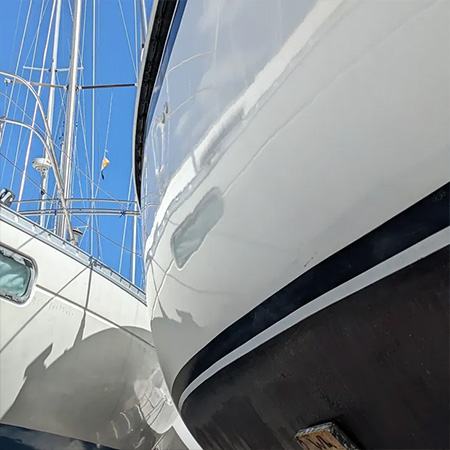
Diego M, Toronto
I’m amazed with the work that was done. I highly recommend it 100%
Fast and best ever results. Thanks Neil for your time and effort.
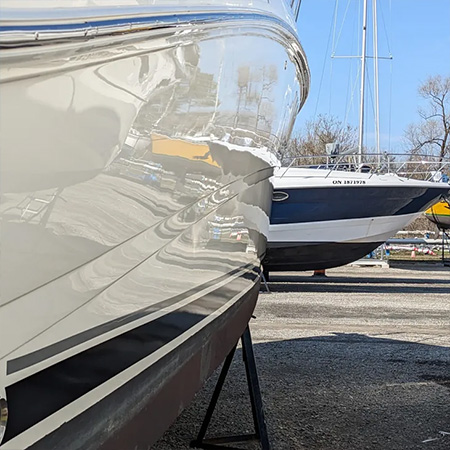
Steve B, Hamilton
We are beyond happy with the work done on polishing the hull of our boat. Not only is the work amazing, but Neil went out of his way to get our boat ready on time for launching. Small touches like putting painters tape on the line separating the gel coat and bottom paint are appreciated. As is the extra time spent on trouble spots. Highly recommend GTHN Boat Polishing!
We Will Come To You!
Feel free to contact us with any questions regarding your boat! We would love to help!
GTHN Boat Polishing
info@gthnboatpolishing.ca – 289-698-5909
CALL – TEXT – EMAIL